Counter-Strike 2 Majors: Betting Guide for CS2 Champions
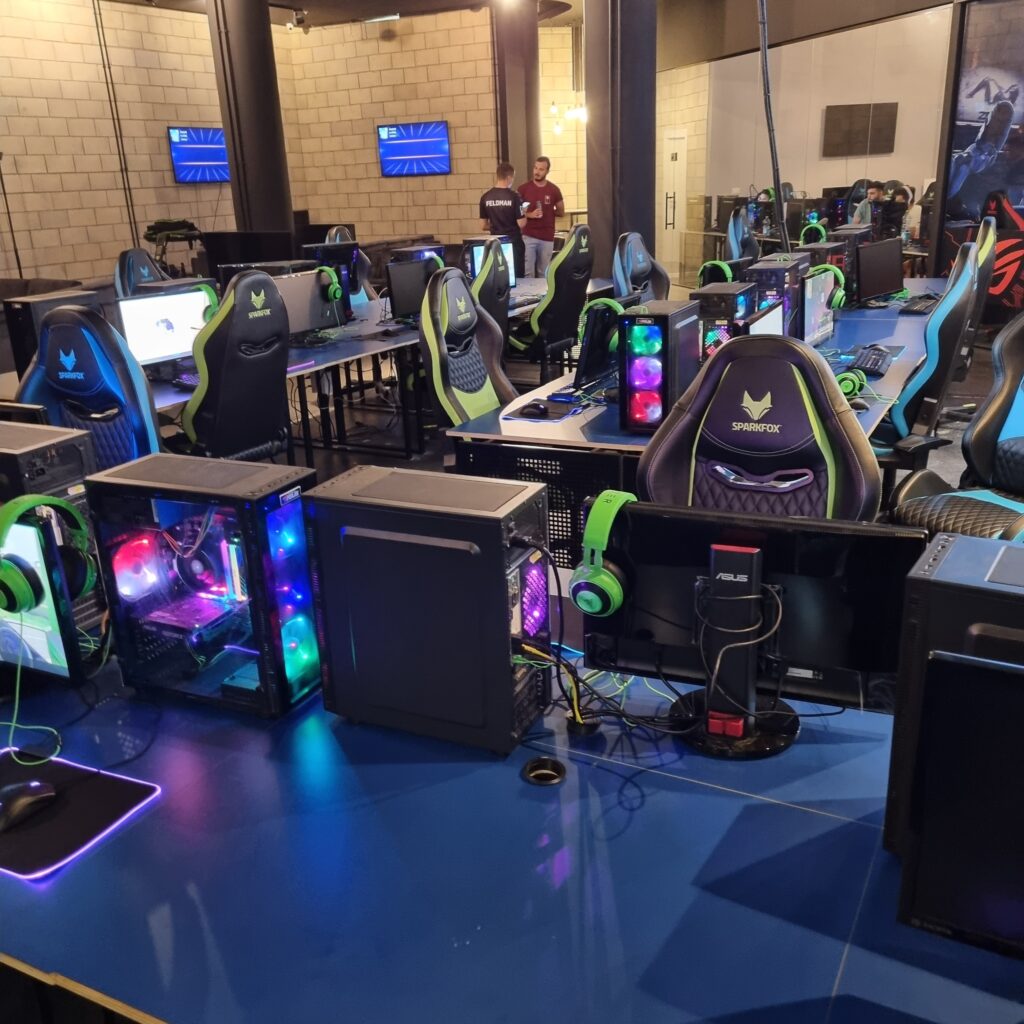
Counter-Strike 2 has fundamentally transformed the landscape of professional esports betting, establishing itself as one of the most wagered-upon competitive gaming titles in the international iGaming market. The transition from CS:GO to CS2 brought enhanced mechanics, improved visual clarity, and a renewed competitive ecosystem that has captivated both casual and professional bettors worldwide. Major tournaments featuring top-tier organizations like FaZe Clan, Team Vitality, Natus Vincere, and MIBR have become focal points for betting activity, driving substantial growth in esports wagering volumes across licensed operators globally. Understanding how to approach CS2 Major betting requires comprehensive knowledge of team dynamics, map selection strategies, player performance metrics, and the evolving odds markets that shape wagering decisions for international audiences.
The Evolution of CS2 Betting Markets and Tournament Structure
The professional Counter-Strike 2 circuit has matured significantly, with Major tournaments commanding unprecedented attention from international betting operators. These prestigious events, sanctioned by Valve and organized through partnerships with major esports organizations, represent the pinnacle of competitive play where the highest prize pools and most intense rivalries converge. The betting markets surrounding CS2 Majors have become increasingly sophisticated, with operators offering diverse wagering options beyond simple match outcome predictions. Live betting during matches has emerged as a particularly popular segment, allowing bettors to adjust their positions based on real-time map progression, player performance, and tactical developments unfolding throughout matches.
The structure of CS2 Major tournaments typically follows a group stage format leading into knockout playoffs, creating multiple betting opportunities across different competition phases. Group stage matches often present attractive odds for informed bettors who understand team seeding and strength differentials, while playoff matches command tighter odds due to the elevated competitive intensity and elimination stakes. Tournament-long betting markets, such as outright winner predictions and regional performance forecasts, have become increasingly popular among international bettors seeking longer-term value opportunities. The expansion of available markets reflects growing demand from the global betting community and competition among licensed operators to attract esports-focused customers.
Analyzing Team Performance and Player-Level Metrics

Understanding Roster Composition and Individual Skill Tiers
Successful CS2 Major betting requires detailed analysis of team rosters and individual player capabilities across different roles. Professional Counter-Strike teams typically consist of five players occupying distinct positions: the in-game leader who orchestrates strategy, entry fraggers who initiate engagements, support players who facilitate team operations, and dedicated AWP specialists handling long-range engagements. Teams like FaZe Clan have demonstrated consistent success by maintaining high-caliber players across all positions, while organizations such as Team Vitality have built formidable rosters around exceptional individual talents. Understanding each player’s historical performance against specific opponents, their comfort on particular maps, and their consistency under pressure situations provides critical context for evaluating match outcomes.
Player statistics available through professional esports databases reveal crucial performance indicators including kill-death ratios, average damage per round, clutch round success rates, and economy management effectiveness. These metrics, when analyzed across multiple tournaments and map pools, help bettors identify trends that might not be immediately apparent from surface-level team records. A player’s performance during high-pressure playoff matches often differs substantially from regular season statistics, creating opportunities for informed bettors to identify value in odds that may not fully account for pressure performance variations. Teams with players who historically perform well in Major-level tournaments often command premium odds that may not reflect their true winning probability when analyzed through historical data.
Map Pool Strategy and Tactical Advantages
Counter-Strike 2 betting analysis must incorporate comprehensive understanding of map-specific performance patterns and tactical evolution. Each professional map within the active pool presents unique strategic considerations, with teams often developing specialized approaches tailored to individual map layouts and economy dynamics. Maps like Mirage, Inferno, and Nuke have established meta-strategies that evolve throughout competitive seasons, influenced by balance patches and innovative tactical discoveries by top-performing teams. Bettors who track how teams perform on specific maps, particularly teams’ banned maps and preferred selections, gain significant analytical advantages when evaluating match odds and potential outcomes.
The map veto process in professional Counter-Strike creates additional strategic layers that sophisticated bettors incorporate into their analysis. Teams with particular map strengths often attempt to navigate the veto sequence toward favorable matchups, while teams with identified weaknesses attempt to eliminate problematic maps. Understanding which teams excel at map adaptation versus those relying on established strategies helps bettors predict outcomes in scenarios where teams are forced onto less-preferred maps. Recent tournament data demonstrates that teams capable of maintaining competitive performance across diverse map pools consistently outperform specialists, creating betting opportunities when odds overvalue single-map specialists facing versatile opponents.
Odds Markets and Value Identification Strategies
Counter-Strike 2 betting markets present diverse odds structures that vary significantly across different licensed operators and regional markets. Moneyline odds represent the most straightforward betting format, with operators assigning probability estimates to each team’s victory. However, experienced bettors recognize that opening odds and consensus market odds often fail to accurately reflect true winning probabilities, particularly in tournaments featuring international teams with varying levels of public recognition and betting volume distribution. Teams from specific regions may experience systematic odds bias due to regional betting concentration, creating opportunities for bettors with access to multiple operators and comprehensive analytical frameworks.
Handicap betting, where operators assign virtual round advantages to favored teams, has become increasingly popular in CS2 markets. These markets allow bettors to wager on whether teams will exceed or fall short of assigned round differentials, creating more nuanced wagering opportunities than simple match outcomes. Tournament-level odds, such as predictions about which team will reach the finals or which region will produce the champion, often present substantial value for bettors who conduct thorough analysis of tournament structure, team seeding, and competitive strength distributions across different regions. Operators frequently adjust odds based on betting volume patterns rather than probabilistic adjustments, creating inefficiencies that informed bettors can exploit through contrarian positioning when market sentiment diverges from analytical assessment.
Regional Strength and International Competition Dynamics
The international nature of professional Counter-Strike 2 creates complex competitive dynamics that significantly influence betting outcomes. European teams, particularly organizations from countries like Poland, France, and Denmark, have historically dominated Major tournaments through established organizational structures and deep competitive talent pools. However, teams from regions like Brazil and North America have demonstrated increasing competitiveness, particularly when rosters feature exceptional individual talents capable of competing against established European powerhouses. Bettors who understand regional competitive hierarchies, coaching infrastructure differences, and tournament experience levels gain substantial analytical advantages when evaluating matches between teams from different competitive regions.
International tournaments create unique competitive scenarios where regional teams must adapt to different playing conditions, timezone challenges, and unfamiliar competitive environments. Teams with extensive international tournament experience often perform better in Major competitions than regional specialists, creating betting opportunities when odds fail to appropriately account for international experience differentials. Organizations like MIBR have demonstrated resilience in international competition despite regional competitive challenges, while teams with limited international exposure sometimes underperform expectations when competing against seasoned international opponents. Tracking teams’ historical performance in international competitions versus regional events helps bettors identify systematic performance patterns that influence betting value.
Live Betting Strategies and In-Match Analysis
Live betting during Counter-Strike 2 matches represents one of the most dynamic wagering formats available to international bettors. Real-time odds adjustment based on match progression, player eliminations, and economic situations creates continuous opportunities for tactical betting decisions. Experienced live bettors recognize that immediate emotional reactions from casual bettors often create temporary odds inefficiencies, particularly following surprising round outcomes or unexpected player performances. Teams demonstrating strong pistol round execution, consistent anti-eco strategies, and effective economic management often generate favorable live betting opportunities when trailing teams attempt improbable comebacks.
Understanding buy round dynamics and economic pressure situations provides critical context for live betting decisions. Teams with depleted economies often present attractive betting opportunities against opponents with full buy situations, as the economic disadvantage significantly influences winning probabilities. However, teams historically strong at executing anti-eco rounds sometimes generate undervalued odds when facing well-equipped opponents, creating contrarian betting opportunities for bettors familiar with team-specific tactical strengths. Live betting odds often overreact to individual round outcomes, particularly in early match stages, creating opportunities for bettors who maintain disciplined analysis frameworks and avoid emotional decision-making based on short-term momentum swings.
Market Trends Driving Esports Betting Growth
Counter-Strike 2 betting continues as a major driver of iGaming growth in current market conditions, with international operators expanding CS2 offerings to capture growing audience demand. The accessibility of professional esports content through streaming platforms has created unprecedented familiarity with competitive Counter-Strike among global audiences, translating into increased betting participation across licensed operators. Younger demographics familiar with esports entertainment often transition into active betting participants, expanding the addressable market for operators offering comprehensive CS2 wagering options. Mobile betting platforms have particularly benefited from esports betting growth, as international audiences increasingly wager on matches through smartphone applications during work breaks and casual entertainment periods.
The professionalization of esports broadcasting, featuring professional commentary, statistical analysis, and production values comparable to traditional sports coverage, has legitimized esports betting within mainstream iGaming markets. Operators increasingly market esports betting alongside traditional sports offerings, positioning Counter-Strike Majors as premium wagering events comparable to major traditional sports competitions. Regulatory frameworks in various international jurisdictions continue evolving to accommodate esports betting, creating opportunities for licensed operators to expand offerings while maintaining responsible gambling standards. The integration of esports betting into mainstream sportsbooks represents a fundamental shift in iGaming market structure, with Counter-Strike 2 Majors establishing themselves as flagship events that drive operator profitability and customer engagement throughout competitive seasons.
Responsible gambling practices remain essential components of all esports betting activity. Bettors should establish strict budget limitations, never wagering amounts exceeding disposable income or creating financial hardship. Betting should remain entertainment rather than income generation, with participants maintaining realistic expectations about long-term profitability. Licensed operators provide responsible gambling tools including deposit limits, self-exclusion options, and reality check reminders that help participants maintain healthy wagering habits. Recognizing signs of problematic gambling behavior, such as chasing losses or wagering beyond predetermined budgets, enables early intervention before gambling creates negative consequences. International audiences should access only licensed and regulated operators within their jurisdictions, ensuring legal compliance and participant protection through established regulatory oversight.
